The Beekeeping Log Book KDP Interior: A Foundation for Profitable Publishing
The world of self-publishing, particularly through platforms like Amazon's Kindle Direct Publishing, has democratized content creation. For entrepreneurs, hobbyists, and creative professionals, this opens a door to building a business around niche interests. One such thriving niche is apiculture—beekeeping—which combines environmental stewardship with a deeply rewarding practice. Catering to this audience requires not just content, but a professional, user-friendly vessel for that content. This is where a specialized Beekeeping Log Book – KDP Interior becomes an invaluable asset.
A Beekeeping Log Book – KDP Interior is more than a simple template; it is a fully formatted, pre-designed book interior specifically engineered for print-on-demand success. It serves as the complete inside structure of a physical log book, awaiting your customization and publication. Its relevance stems from a convergence of trends: the growth of the beekeeping community, the demand for high-quality, practical tools among enthusiasts, and the economic appeal of low-content publishing for creators. Instead of spending countless hours on layout design, margin calibration, and pagination, publishers can leverage a professionally crafted foundation, ensuring their final product meets market expectations from the first page.
The Evolution of Niche Publishing and the Role of Optimized Interiors
Self-publishing has evolved from a complex, technical endeavor into an accessible creative business. Early adopters often faced significant hurdles in file formatting, leading to inconsistent print quality and a poor reader experience. Today's users, whether they are business owners expanding their product lines or beekeepers sharing their expertise, expect seamless integration with platforms like KDP. They seek products that look and feel professionally published, even if the content is relatively simple. This shift in user expectation has elevated the importance of the book interior design itself as a critical product component.
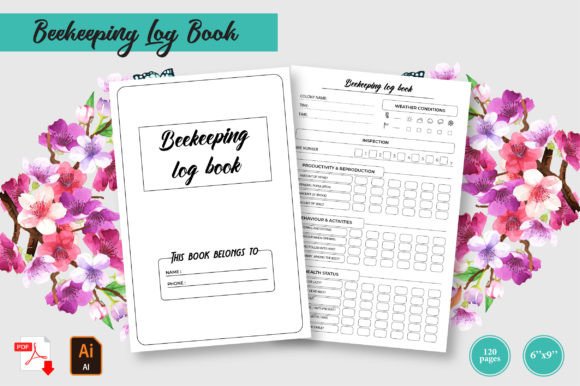
The Beekeeping Log Book KDP Interior fits perfectly into this modern workflow. It addresses the practical need for a log book that is both functional for the beekeeper and commercially viable for the publisher. Beekeepers require organized sections for tracking hive inspections, honey yields, pest management, and weather conditions—all elements that can be pre-structured in a smart interior design. By providing this structure in an editable format, the interior allows creators to focus on branding, minor adjustments, and marketing, rather than the technicalities of book design.
Practical Implications for Creators and Entrepreneurs
Utilizing a pre-designed interior has direct, tangible benefits for anyone operating in the KDP ecosystem. Consider a freelance graphic designer who wants to diversify into low-content books without mastering publishing software intricacies. Or a blogger who covers sustainability topics and wishes to offer a physical product to their audience. For them, the specifications of this interior—a 6x9 inch dimension, 120 pages, and availability in JPEG, PDF, and editable Adobe Illustrator files—translate into efficiency and reliability.
The "100 formatting and thorough testing" promise is key. It means the interior has been pre-vetted for common KDP upload errors, ensuring optimal performance during the crucial publishing phase. Since bleed is not applicable for this type of interior, the design process is simplified, focusing entirely on the safe print area. This meticulous attention to detail reduces the risk of costly rejections or poor print results, providing creators with a trusted starting point.
Unlocking Potential Through Customization
The true power of such an interior lies in its 100% editable and customizable nature. This isn't a locked, static product. A business owner can insert their company logo, modify section headers to match their specific beekeeping methodology, or adjust fonts to align with their brand identity. An educator creating teaching materials for a beekeeping course can add instructional notes or tailored checklists. This flexibility transforms a generic template into a unique product that stands out in a marketplace. It enables exponential growth by allowing the rapid development of product variations—perhaps a version for novice beekeepers and another for commercial apiaries—without redesigning the core layout from scratch.
This approach aligns with realistic business needs. It acknowledges that success in niche publishing often comes from volume and specialization. By leveraging a captivating interior design that is already optimized, creators can allocate their finite resources toward market research, customer engagement, and scaling their catalog, rather than being bottlenecked by design tasks.
Integrating with Current Market Preferences and Lifestyle Shifts
The growing interest in beekeeping reflects broader lifestyle shifts towards hobbies that are hands-on, nature-connected, and contribute to local ecosystems. The market for accompanying tools, including well-designed log books, is consequently expanding. Modern beekeepers are often tech-savvy and value both analog record-keeping and digital convenience. A publisher using this KDP interior can bridge that gap: they produce a high-quality physical book while managing their business digitally through KDP's platform.
Furthermore, the trend towards low-content, mid-content, and no-content books is a response to consumer demand for functional, printable tools like journals, planners, and log books. These products fulfill specific utility needs. A beekeeping log book is a prime example. Its value is inherent in its structure and purpose, not in lengthy textual content. For the publisher, this means a faster product development cycle and the ability to serve a passionate community with a professional tool. The provided interior is tailored precisely for this business model, ensuring the final printed book feels intentional and useful, encouraging repeat purchases and positive reviews.
Recommendations for Effective Use
To maximize the value of a Beekeeping Log Book – KDP Interior, creators should adopt a strategic approach. First, thoroughly review the editable files in Adobe Illustrator or a compatible program to understand the layout's components. Second, customize with purpose: consider your target audience's specific logging needs—perhaps adding a section for native flower tracking or queen bee observation. Third, always order a physical proof copy from KDP before final publication; even with tested interiors, verifying the final print result is a best practice. Finally, use this interior as a cornerstone for a series. Its reliable format allows for the creation of companion products, like a beekeeping expense tracker or a seasonal maintenance guide, building a cohesive brand within the apiculture niche.
In essence, this interior is a pragmatic tool for capitalizing on a clear market opportunity. It removes technical barriers and provides a quality-assured foundation. By focusing on the real-world needs of both the end-user (the beekeeper) and the creator (the publisher), it facilitates a professional publishing outcome. For the entrepreneur looking to enhance their KDP business, it represents a direct path to offering a product that meets contemporary standards of design and utility, ultimately unlocking new opportunities in a specialized and growing field.