Integrating the Period Tracker KDP Interior Graphic into Your Publishing Workflow
For KDP publishers, the journey from a blank page to a finished book available for sale is a series of deliberate, interconnected steps. It's a workflow that demands both creative vision and meticulous execution. Among the most critical phases is interior design, where the reader's experience is shaped. A specialized asset like the Period Tracker KDP Interior Graphic is not merely a downloadable file; it is a process-ready component designed to streamline this stage, reduce friction, and ensure a professional outcome. Understanding where and how it fits into your broader publishing process is key to leveraging its full value.
The Role of Pre-Designed Interiors in the KDP Ecosystem
Self-publishing through Amazon’s Kindle Direct Publishing platform has democratized publishing, but it has also introduced a new set of operational demands. Successful publishers must act as project managers, overseeing content creation, design, formatting, and marketing. The interior layout of a book, especially for functional titles like planners, journals, or trackers, is a foundational element. A poorly formatted interior can undermine even the most useful content, leading to poor reviews and lost sales. This is where professionally crafted, pre-designed interiors become invaluable workflow tools.
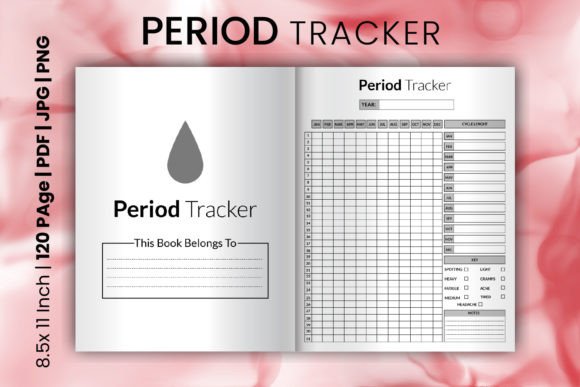
The Period Tracker KDP Interior Graphic is an example of such a tool. It arrives as part of a package that includes a daily planner notebook, both formatted for a specific, popular niche. The files—PNG and PDF—are described as editable, print-ready, and ready to upload. This terminology is directly aligned with the KDP workflow. "Editable" means you can adapt it to your specific branding or content needs without starting from zero. "Print-ready" indicates it meets Amazon’s technical specifications for physical books, a crucial quality control checkpoint. "Ready to upload" signifies it is at the final stage of the interior design process, poised for integration into the KDP upload interface. Its 120-page count and Letter size (8.5 in x 11 in) with no bleed are not just features; they are specifications that answer specific questions during the preparation phase, eliminating guesswork and compatibility issues.
Positioning the Asset Within Your Project Timeline
Incorporating the Period Tracker KDP Interior Graphic effectively requires seeing your book project as a timeline. This asset is optimally utilized after the core concept and content outline are solidified, but before the final upload and publication. It sits squarely in the design and formatting phase.
Before you commit to using this interior, your process should involve market research and niche validation. Understanding the audience for period trackers and daily planners ensures this specific graphic aligns with your business goals. Once the decision is made, the asset interacts directly with your content. You will populate the editable pages with your specific text, instructions, or additional design elements. This interaction is a practical implementation step: you are merging a pre-structured framework with your unique input.
During the formatting work, the provided PNG and PDF files serve different purposes. The PNG graphics offer flexibility for further graphic manipulation if needed, while the PDF represents the stable, final document for upload. Your workflow here involves quality control: checking every page for consistency, ensuring your edits haven’t disrupted the layout, and confirming that the 120-page structure suits your planned content length. This phase is about organization and efficiency—using a ready-made structure saves countless hours compared to designing page layouts, margins, and functional trackers from scratch.
After the upload and publication, the asset’s role transitions to a foundational one. It has enabled you to produce a professional-quality product quickly. This efficiency can be replicated across other projects, perhaps using other KDP interiors from the same designer’s profile. The long-term use consideration is about building a library of reliable, tested design assets that standardize your output and reduce project cycle times.
Practical Integration and Workflow Synergy
How do you smoothly integrate this specific interior graphic into your existing systems? It begins with file management. Upon download, place the editable files into a dedicated project folder alongside your manuscript text, cover art files, and marketing copy. This simple organizational act creates a centralized workspace, preventing asset scattering and promoting a smooth workflow.
The next step is the editing process. Using standard software like Adobe Acrobat for PDFs or graphic design tools for PNGs, you implement your content. The key practical tip here is to preserve the underlying structure. The graphic is designed with usability in mind—tracking sections, planner layouts, and page numbers are already positioned for optimal reader experience. Your edits should fill in the framework, not overhaul it. This maintains the professional consistency the design intends to deliver.
This interior graphic also interacts with other tools and decisions in your publishing workflow. It is directly compatible with KDP’s upload requirements for Letter size interiors without bleed. This compatibility eliminates a common pain point: formatting errors during upload that require rework. It also synergizes with your cover design decision. Knowing your interior is 120 pages and a specific size allows your cover designer to create a spine width that is mathematically accurate, ensuring the final physical product looks cohesive and professional.
From File to Finished Product: An Execution Example
Consider a practical scenario: You are a publisher focusing on the health and wellness niche. You’ve identified a demand for a high-quality, physical period tracker combined with a daily planning section. Your goal is to launch this product within a tight timeframe to capitalize on market interest.
- Preparation: You source the Period Tracker KDP Interior Graphic and Daily Planner Notebook package. You review the PDF immediately to verify page count, layout logic, and tracking functionality. This satisfies your preparation need for a verified interior.
- Content Implementation: You open the editable PDF and insert your introductory text, usage tips, and any brand-specific elements into the designated areas. You ensure all tracker columns and planner headings are clearly labeled.
- Quality Control: You print a single physical copy using a standard printer to check readability, alignment, and practical use of the tracking pages. This hands-on test is a crucial usability step before mass printing.
- Platform Integration: You navigate to KDP’s manuscript upload section, upload the finalized PDF interior, and pair it with your separately created cover file. The process proceeds without technical warnings because the file is built to be "ready to upload."
This example underscores a process-oriented approach. The asset is not a magic solution, but a high-quality component that, when integrated into a disciplined workflow, accelerates production and elevates quality.
Building a Sustainable KDP Business with Quality Assets
For the audience of entrepreneurs, freelancers, and small business owners running a KDP operation, long-term sustainability hinges on efficiency and reputation. Consistently publishing books that look professional and function properly builds your brand’s authority and customer trust. The Period Tracker KDP Interior Graphic, and similar assets available from dedicated designers, contribute directly to this.
By using such print-ready interiors, you control several risk factors: formatting errors, inconsistent layout quality, and the immense time cost of in-house design. This allows you to reallocate resources—perhaps to marketing, customer research, or developing more content. Furthermore, exploring the designer’s profile for additional KDP books and merchandise, as mentioned, can become part of your sourcing workflow. Building relationships with reliable designers who understand KDP’s technical specs is a smart business strategy, creating a network of resources for your publishing needs.
The ultimate integration of this tool into your routine is both practical and strategic. Practically, it becomes a trusted file you use when launching products in its specific niche. Strategically, it represents a working method: identifying high-quality, process-ready assets that fill specific gaps in your publishing pipeline. This method turns the complex challenge of self-publishing into a manageable, repeatable sequence of steps, where each step is supported by the right tools. For the productivity-minded publisher, that is the core benefit: transforming a creative idea into a tangible product with clarity, consistency, and professional polish.