Evaluating the Field Notes Journal KDP Interior for Publishing
For entrepreneurs and creators publishing on Amazon’s Kindle Direct Publishing platform, the interior design of a physical journal is a critical, yet often overlooked, component. A well-structured interior not only enhances the reader's experience but also directly impacts the perceived quality and marketability of the product. The Field Notes Journal – KDP Interior represents a specialized digital asset designed to address this need for a specific, popular format.
What This Interior Design Provides
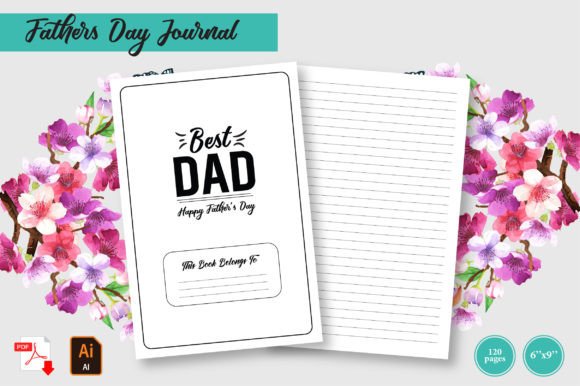
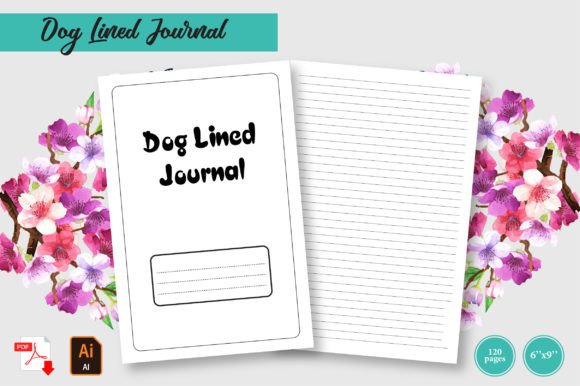
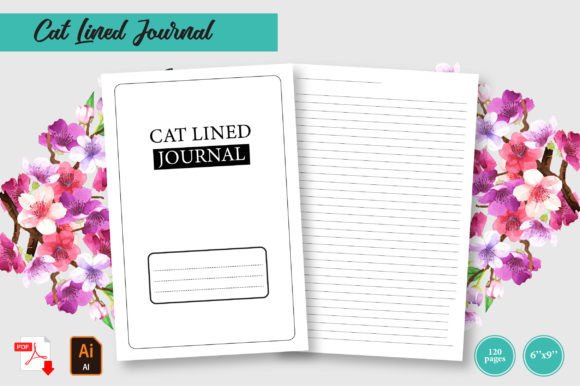
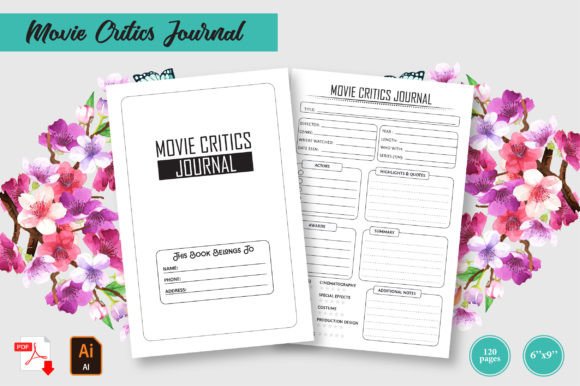
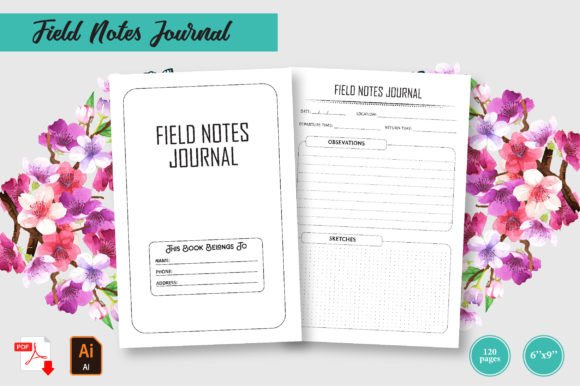
At its core, the Field Notes Journal – KDP Interior is a pre-formatted, editable template for a 120-page, 6x9-inch journal. It is supplied in multiple file formats, including PDF and editable Adobe Illustrator files, which allows for a degree of customization. The stated purpose is to offer a seamless, tested foundation for users to create a field notes-style journal for sale on KDP or for personal printing projects.
The primary strength of such a product lies in its elimination of the technical groundwork. Designing a book interior from scratch requires a significant investment of time to handle layout, margins, page numbering, and consistent styling. A template that has undergone thorough formatting and testing, as claimed here, can circumvent common publishing errors that lead to listing rejections or poor print quality.
Key Characteristics and Practical Value
The specifications suggest a focus on practicality. The 6x9-inch dimension is a standard and cost-effective size for paperback journals. Offering 120 pages provides a substantial product without being overly thick. The inclusion of JPEG and PDF files caters to users who may wish to use the design as a static image or for direct PDF upload to KDP, while the Adobe Illustrator files are aimed at those with the software and skill to modify elements like fonts, line styles, or header designs.
The value proposition is clear: it saves time, reduces technical risk, and provides a starting point proven to meet KDP’s requirements. For someone new to print publishing, this can lower the barrier to entry. For an experienced publisher looking to rapidly expand a catalog with a consistent journal line, it can streamline production.
Analysis of Real-World Application and Quality
In practice, the utility of the Field Notes Journal – KDP Interior hinges on several factors. First is the actual quality of the formatting. A “meticulously crafted” interior should exhibit perfect alignment, appropriate bleed settings (even if “not applicable” here, margins must be precise), and professional typography. The claim of 100 formatting checks implies rigorous testing, which, if true, translates to reliability—a user can upload the PDF with confidence it will pass KDP’s automated review.
Usability is another crucial aspect. For the non-designer, the ready-to-use PDF is the most straightforward path. The customizable Illustrator files, however, require specific software and graphic design knowledge to be useful. This bifurcation means the product serves two distinct user tiers: the complete novice and the adept customizer.
The design’s effectiveness and long-term value depend on its aesthetic appeal and flexibility. A field notes journal interior typically features a simple, functional layout with perhaps a header, date lines, and ample writing space. If the template executes this cleanly and without cluttering elements, it will serve its purpose well. Its long-term value increases if the editable files allow for genuine customization—creating variations like themed journals, branded notebooks, or educational logbooks—thus enabling a publisher to build a whole series from a single core asset.
Who Stands to Benefit Most
Several audiences are likely to find the Field Notes Journal – KDP Interior a fitting tool.
- KDP Beginners: Individuals entering the low-content or no-content publishing space benefit from a tested template that reduces initial frustration and learning curve.
- Content Creators and Educators: Those who wish to produce custom journals for their audience or students can use the editable files to insert specific prompts, logos, or instructional text.
- Freelancers and Small Publishers: Someone managing a small publishing business can use this as a reliable, repeatable component to scale output without increasing design overhead.
- Serious Hobbyists: Individuals interested in creating personalized printed gifts or personal project notebooks can leverage the files for private use.
The product is less suitable for those seeking highly ornate, decorative journal interiors, or for publishers who already possess advanced design skills and prefer to build entirely unique layouts from scratch.
Professional Observations and Limitations
From a professional standpoint, the emphasis on “KDP integration” is meaningful. Templates that are not built to the platform’s exact specifications often cause delays. A product that guarantees this compatibility offers a tangible advantage.
However, potential limitations should be considered. The term “100 editable and customizable” can be ambiguous. True customization depth depends on what elements are actually unlocked in the Illustrator files—are all text layers and graphic elements independently editable? Furthermore, the design’s success ultimately relies on its visual appeal. A functional layout is not automatically a compelling one; the market for simple journals is crowded, so the interior’s presentation must stand out through subtle, quality details.
A practical recommendation for any user considering this or similar interiors is to scrutinize the provided sample images or previews closely. Evaluate the spacing, font choices, and overall cleanliness. For those intending to customize, verify you have access to the required software (Adobe Illustrator) and the basic skills to use it effectively.
Determining if It Fits Your Needs
To decide if the Field Notes Journal – KDP Interior aligns with your goals, assess your situation against a few key questions. Do you need a proven, quick-start solution for a 6x9 journal? Is your primary aim efficiency and reliability over unique design? Do you have the capability to use the editable files if customization is your goal? If your workflow demands a plug-and-play asset that you can trust to perform technically, this interior template is a logical fit.
Conversely, if your project requires a highly specific layout not aligned with a field notes style, or if your audience expects lavish interior artwork, this template would serve only as a very basic skeleton, requiring substantial modification.
The product occupies a clear niche in the KDP ecosystem. It provides a standardized solution for a standardized product type. For publishers operating within that niche, its value as a time-saving, risk-mitigating tool is evident. Its ultimate worth, however, is realized not just in the download, but in how effectively the user deploys it—either as a straightforward finished product or as a adaptable foundation for a broader publishing strategy.