Craft Culinary Masterpieces with a Professional Recipe Interior
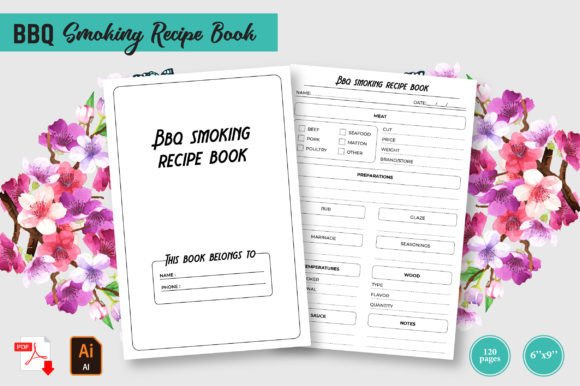
Imagine offering a cookbook that feels as premium as the recipes inside it, a book where every page reflects the craft and passion of BBQ smoking itself. A professionally designed interior is the unsung hero of any successful digital or physical product, transforming a simple collection of recipes into a visually compelling and user-friendly experience. For entrepreneurs and creators in the culinary niche, leveraging a resource like the BBQ Smoking Recipe Book – KDP Interior can be the pivotal step from a basic idea to a market-ready, polished product.
In the realm of self-publishing and print-on-demand, the visual design of your book’s interior is a direct extension of your brand identity. It communicates quality, attention to detail, and respect for the reader’s experience before they even read the first instruction. A thoughtfully crafted interior layout does more than just look good; it establishes a visual hierarchy that guides the user, improves readability, and enhances the overall usability of the content.
Why Professional Interior Design Matters
In graphic design, especially editorial design, every element serves a purpose. Typography choices affect how easily a recipe can be followed; color palettes can evoke the warmth and richness of smoked foods; and the composition of pages ensures a logical flow from ingredients to method to finished dish photography. This meticulous approach to visual design ensures that the content is not just presented, but optimally communicated.
For a BBQ smoking recipe book, this means creating an environment where the user feels confident and inspired. A cluttered, poorly formatted page can frustrate a reader and diminish the perceived value of the recipes. Conversely, a clean, modern aesthetic with clear headings, ample whitespace, and a consistent layout fosters trust and encourages engagement. It turns a functional guide into an enjoyable, premium artifact.
Applications Beyond the Book
The value of a professionally designed interior extends into numerous creative and business applications. The core design principles and assets can inspire and feed into a cohesive brand system.
- Branding & Marketing Materials: The typography and color palette established in the book can be adapted for logos, business cards, and promotional flyers, creating a unified brand identity.
- Digital Marketing & Social Media: Key visual elements can be repurposed for social media graphics, email newsletters, and online advertisements, maintaining consistency across all customer touchpoints.
- Website & UI Design: The book’s layout sensibilities—its grid, spacing, and font choices—can inform the design of a companion website or app, ensuring a seamless user experience from print to digital.
- Packaging & Merchandise: For those expanding into physical products like rubs, sauces, or kits, the book’s visual style provides a ready-made design foundation for labels and packaging.
Evaluating and Using Design Elements Effectively
When integrating a pre-designed interior into your project, it’s crucial to evaluate it not just for aesthetics, but for practical function. Consider its scalability—does the layout work if you add more recipes or sections? Assess its compatibility with your goals; an editable file format like Adobe Illustrator allows for customization to align perfectly with your unique vision.
Focus on factors like:
- Visual Hierarchy: Are headings, subheadings, and body text clearly differentiated?
- Readability: Is the font size and line spacing comfortable for reading, especially in a kitchen environment?
- Consistency: Does the design maintain a uniform style throughout, providing a predictable and professional rhythm?
- Audience Expectations: Does the design feel appropriate for the culinary enthusiast, balancing rustic charm with modern clarity?
Remember, the imagery you pair with the interior—photographs of smoky briskets, glazed ribs, or smoker setups—should complement the layout’s color and style, not clash with it. This synergy between content and design elevates the final product.
The Role of Typography and Composition
In a recipe book, typography is functional art. A well-chosen typeface for instructions needs to be clear and legible at various sizes, while a more decorative font for titles can add personality. The composition, or how elements are arranged on each page, controls the reader's journey. A logical flow from title to prep time to ingredients to step-by-step instructions, with clear numbering or icons, removes ambiguity and builds a professional presentation.
This careful orchestration of visual elements is what separates a haphazard collection from a curated, authoritative guide. It demonstrates an understanding of both design principles and the end-user's needs.
Ultimately, the decision to invest in a quality, ready-to-use interior like the BBQ Smoking Recipe Book – KDP Interior is a strategic one for your creative project or business. It shortcuts the complex process of editorial design, providing a tested, optimized foundation that you can customize. This allows you to focus on your core content—those amazing BBQ recipes—while ensuring they are delivered in a format that maximizes their impact and appeal. In a market where presentation is paramount, thoughtful design choices are not merely aesthetic; they are essential tools for effective communication and commercial success.